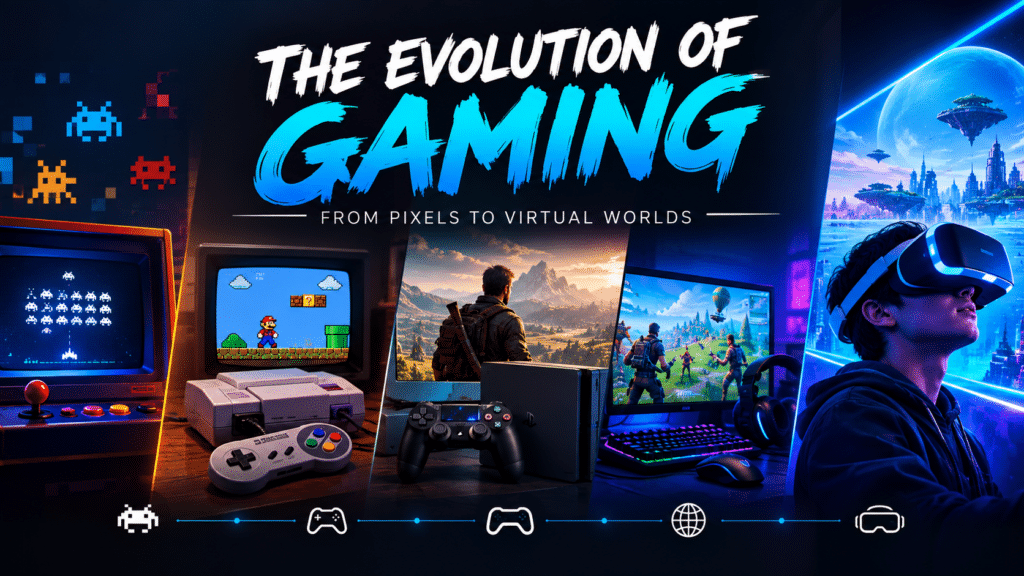
The Evolution of Gaming: From Pixels to Virtual Worlds
Gaming has come a long way from simple pixelated screens to massive virtual worlds that feel almost real. What started as a small form of entertainment has become a global industry connecting millions of players through technology, creativity, and competition.
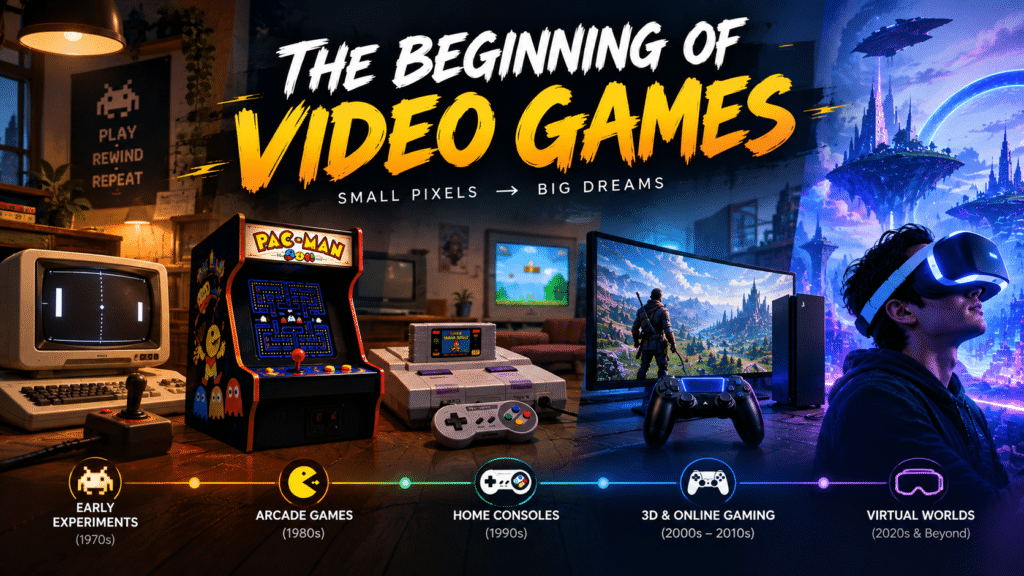
The Beginning of Video Games
The history of video games began with simple computer experiments and arcade machines. Early games had basic graphics, limited sounds, and simple gameplay. Players did not have huge open worlds or realistic characters, but these games created the foundation for the gaming industry.
Arcade games became especially popular because they were easy to understand and exciting to play. Players could compete for high scores and challenge their friends. These simple experiences helped gaming become a popular form of entertainment.
The 3D Gaming Revolution
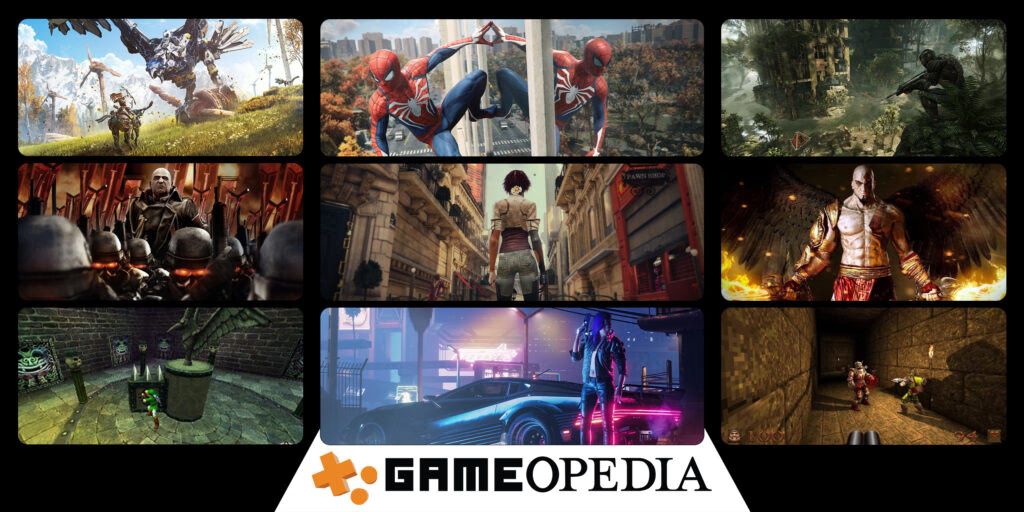
One of the biggest changes in gaming was the move from 2D graphics to 3D environments. This allowed developers to create larger and more interactive worlds.
Players could explore detailed maps, control characters from different perspectives, and experience more realistic environments. Games started becoming more focused on storytelling and exploration rather than simply achieving a high score.
The introduction of 3D gaming also opened the door for genres such as open-world adventures, realistic racing games, action games, and immersive role-playing games.
The Age of Online Gaming
The internet completely transformed the gaming experience. Players no longer had to play alone or only with people sitting next to them. Online multiplayer allowed gamers from different parts of the world to play together.
Online gaming also created communities where players could communicate, compete, make friends, and share their experiences. Competitive gaming grew rapidly, eventually helping esports become a major part of the entertainment industry.
Gaming Today
Modern gaming is more advanced than ever. Powerful computers and consoles can create highly detailed environments, realistic characters, advanced physics, and cinematic experiences.
Games such as open-world adventures and multiplayer titles allow players to explore huge environments and interact with other players. Mobile gaming has also made gaming accessible to people who may not own a dedicated gaming PC or console.
Streaming and gaming content have created another major part of gaming culture. Players can now watch gameplay, tutorials, reviews, and live competitions online.
The Future of Gaming
The evolution of gaming is far from over. Technologies such as virtual reality, augmented reality, cloud gaming, and artificial intelligence are creating new possibilities.
Virtual reality can place players inside digital environments, while cloud gaming aims to make high-quality games accessible without requiring powerful hardware. Artificial intelligence can also help developers create smarter characters and more dynamic gaming experiences.
In the future, games may become even more interactive, immersive, and connected. The boundary between the real world and virtual worlds could become increasingly blurred.
Conclusion
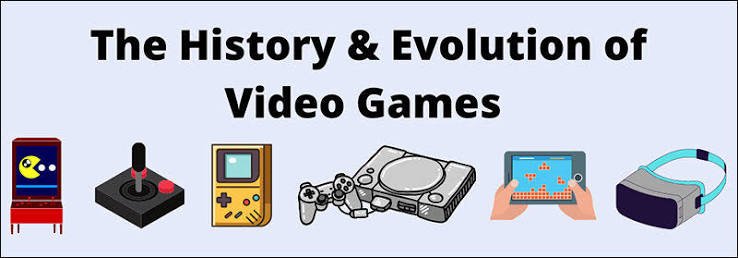
From simple pixels to detailed virtual worlds, gaming has evolved through decades of innovation. Every generation of technology has introduced new ways for people to play, compete, explore, and connect.
Gaming is no longer just about pressing buttons and achieving high scores. It has become a combination of technology, storytelling, creativity, competition, and community.
As technology continues to advance, the next chapter of gaming could be even more exciting than the last.